Model Xucvihkds Colors: Complete Guide, Variants, and Style Insights
Introduction to Model Xucvihkds Colors
The term model xucvihkds colors is increasingly being used in digital catalogs, creative design listings, and conceptual product naming systems. While it may not refer to a mainstream commercial product, it is often associated with color variation models, design prototypes, and classification systems used in digital environments, branding experiments, and visual simulations.
In simple terms, model xucvihkds colors can be understood as a structured way to describe different color versions or palettes within a model system. These systems are commonly used in design software, product visualization, gaming assets, and digital mockups.
This article explores everything about model xucvihkds colors, including possible interpretations, color categories, usage in design, applications in technology, and how such models help improve visual consistency in modern industries.
What is Model Xucvihkds Colors?
The concept of model xucvihkds colors can be broken down into three parts:
- Model: A structured version of an object, design, or system
- Xucvihkds: A unique identifier often used in experimental naming systems or digital datasets
- Colors: The visual palette or variations applied to the model
Together, the phrase generally refers to a color-variant model system, where different shades and tones are assigned to a single design or object.
In digital workflows, such naming conventions are commonly used when:
- Testing multiple color schemes
- Creating UI/UX prototypes
- Designing 3D models
- Managing product visualization libraries
Importance of Model Xucvihkds Colors in Digital Design
Color plays a crucial role in design psychology, branding, and user experience. The model xucvihkds colors framework helps designers and developers manage color variations systematically.
1. Visual Consistency
When working with multiple versions of a model, maintaining consistent color logic ensures that users recognize the product or interface easily.
2. Efficient Testing
Designers often test multiple color palettes before finalizing a product. A structured model like xucvihkds allows quick switching between variations.
3. Better User Experience
Colors influence emotions. With organized color models, designers can optimize:
- Engagement rates
- Readability
- Aesthetic appeal
Common Color Categories in Model Xucvihkds Systems
Although “model xucvihkds colors” is a conceptual term, it can be understood through common color categorization used in digital design systems.
1. Primary Colors
Primary colors are the base of any model system:
- Red-based tones
- Blue-based tones
- Yellow-based tones
These are often used for strong visual identity and branding elements.
2. Secondary Colors
Secondary colors are derived from mixing primary colors. In model systems, these are used for:
- Background variations
- UI accents
- Supporting visuals
Examples include:
- Green shades
- Orange tones
- Purple variations
3. Neutral Colors
Neutral colors are essential for balance. They include:
- White
- Black
- Gray
- Beige tones
In model xucvihkds colors, neutral palettes help reduce visual overload and improve readability.
4. Gradient Variants
Modern design systems often use gradients instead of flat colors. In this model type, gradients may include:
- Blue to purple transitions
- Orange to red warmth gradients
- Soft pastel blends
These are widely used in UI design and app interfaces.
5. Experimental Colors
Since the term xucvihkds suggests a unique or system-generated label, experimental colors may include:
- Neon shades
- AI-generated palettes
- Abstract digital hues
These are often used in futuristic or concept designs.
Applications of Model Xucvihkds Colors
The concept of structured color models is widely applicable in various industries.
1. Web and UI Design
In web development, color models are used to:
- Design website themes
- Create dark/light modes
- Improve navigation visibility
Model xucvihkds colors can represent multiple UI themes under one system.
2. Mobile App Development
Apps use structured color systems to maintain:
- Brand identity
- Consistency across screens
- Visual hierarchy
For example, different app states (active, inactive, error, success) may use different color variations within the same model.
3. 3D Modeling and Animation
In 3D design tools, color models are essential for:
- Texture mapping
- Material rendering
- Lighting effects
Model xucvihkds colors could represent different material finishes such as matte, glossy, or metallic tones.
4. Gaming Industry
Video games rely heavily on color systems for:
- Character skins
- Environment design
- Item rarity classification
For example:
- Common items = neutral tones
- Rare items = vibrant or glowing colors
5. Branding and Marketing
Companies use structured color systems to:
- Maintain brand identity across platforms
- Create emotional connections
- Improve product recognition
Model-based color systems ensure brand consistency across digital and physical media.
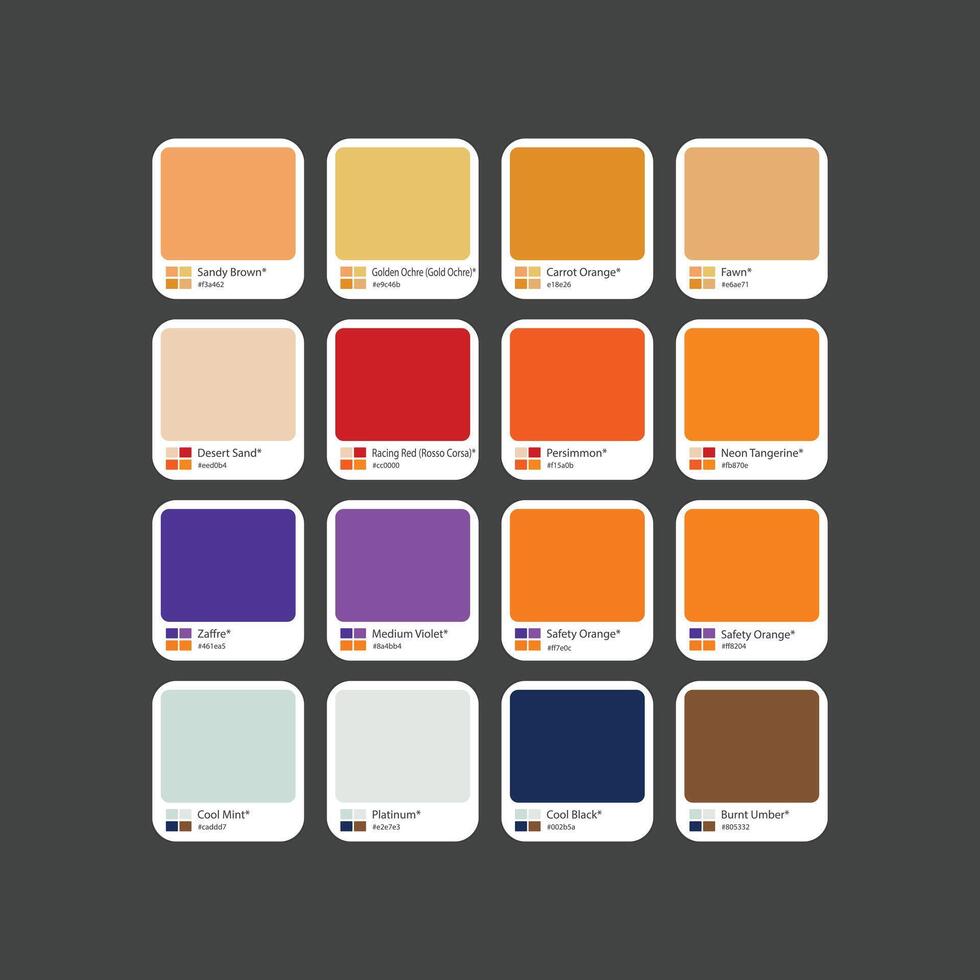
Psychological Impact of Model Xucvihkds Colors
Colors influence human psychology in powerful ways. In structured models like xucvihkds, this becomes even more important.
Red Tones
- Energy
- Urgency
- Passion
Blue Tones
- Trust
- Calmness
- Stability
Green Tones
- Growth
- Health
- Balance
Yellow Tones
- Optimism
- Attention
- Creativity
Understanding these effects helps designers choose the right variation within a model system.
How Model Xucvihkds Colors Improve Design Workflow
Using a structured color model provides several workflow advantages:
1. Faster Decision Making
Designers can quickly switch between predefined palettes instead of creating new ones from scratch.
2. Reduced Errors
Standardized color systems reduce inconsistencies across platforms.
3. Better Collaboration
Teams can easily understand color naming conventions and apply them correctly.
4. Scalability
As projects grow, model-based systems allow easy expansion of color libraries.
Future of Model-Based Color Systems
The future of systems like model xucvihkds colors is closely tied to AI and automation.
AI-Generated Color Palettes
Artificial intelligence can generate optimized color combinations based on:
- User behavior
- Industry trends
- Emotional analytics
Adaptive Color Systems
Future models may automatically adjust colors based on:
- Time of day
- User preference
- Device settings
Dynamic Branding
Brands may use evolving color models instead of fixed palettes, allowing real-time customization.
Challenges in Using Model Xucvihkds Colors
Despite their advantages, there are some challenges:
1. Complexity
Too many variations can confuse designers if not organized properly.
2. Compatibility Issues
Different devices may display colors differently.
3. Standardization Problems
Without universal standards, model naming systems like xucvihkds may vary across platforms.
Best Practices for Using Color Models
To effectively use structured color systems like model xucvihkds colors, follow these best practices:
- Keep naming conventions consistent
- Limit primary palette selection
- Use neutral colors for balance
- Test across multiple devices
- Document color usage clearly
Conclusion
The concept of model xucvihkds colors represents a structured approach to managing color variations within a model system. Whether used in web design, mobile apps, gaming, or branding, such systems help improve consistency, efficiency, and user experience.
As digital design continues to evolve, structured color models will play an even more important role, especially with the rise of AI-driven design tools and dynamic visual systems.
Understanding and applying these principles allows designers and developers to create more engaging, visually appealing, and user-friendly experiences.
FAQ – Model Xucvihkds Colors
1. What is Model Xucvihkds Colors?
Model xucvihkds colors refers to a structured way of organizing and describing different color variations within a model system. It is commonly used in digital design, UI/UX development, and visual testing environments.
2. Is Model Xucvihkds Colors a real product?
No, it is not a specific physical product. It is better understood as a conceptual or system-based naming structure used for managing color palettes and design variations.
3. Where is Model Xucvihkds Colors used?
It is mainly used in:
- Web design and UI development
- Mobile app interfaces
- 3D modeling and animation
- Gaming assets and skins
- Branding and visual identity systems
4. Why are color models important in design?
Color models help designers maintain:
- Consistency across platforms
- Better visual hierarchy
- Improved user experience
- Faster workflow in development
5. What types of colors are included in this model?
Model xucvihkds colors can include:
- Primary colors (red, blue, yellow)
- Secondary colors (green, purple, orange)
- Neutral tones (black, white, gray)
- Gradient and experimental shades
6. How do colors affect user experience?
Colors influence emotions and behavior. For example:
- Blue builds trust and calmness
- Red creates urgency and excitement
- Green represents balance and growth
- Yellow adds energy and attention
7. Can developers customize Model Xucvihkds Colors?
Yes, developers and designers can fully customize color palettes depending on branding needs, user preferences, or design goals.
8. What is the future of model-based color systems?
Future systems may use AI to:
- Generate smart color palettes
- Adapt colors based on user behavior
- Automatically switch themes (dark/light modes)
- Improve accessibility and readability
9. Is Model Xucvihkds Colors used in branding?
Yes, structured color systems like this are often used in branding to maintain consistent visual identity across websites, apps, and marketing materials.
10. Why is consistency important in color models?
Consistency ensures that users can easily recognize a brand or interface, improves usability, and creates a professional visual experience across all platforms.